
The Benefits of Microfiber for Everyday Cleaning.
The Benefits of Microfiber for Everyday Cleaning
When it comes to cleaning, many of us reach for paper towels or disposable wipes, but reusable microfiber cloths offer another option. Their tightly woven fibers make them effective for many everyday cleaning tasks, while their ability to be washed and reused can help reduce reliance on disposable cleaning materials.
Here’s a closer look at the benefits of microfiber, how microfiber works, and some of the environmental considerations worth knowing.
Superior Cleaning Performance
Microfiber cloths are designed with extremely fine fibers that make them useful for a wide variety of cleaning tasks.
- Helps Capture Dirt and Debris: Microfiber contains thousands of tiny fibers that help capture dust, dirt and other particles rather than simply pushing them across a surface.
- Effective Fiber Structure: The fine structure of microfiber provides substantial surface area for picking up dirt, grease and other material from surfaces.
- Can Reduce Reliance on Additional Cleaning Products: For some everyday wiping and dusting tasks, microfiber can be effective with water alone, helping reduce the amount of additional cleaning product needed.
Microfiber cleaning tools can physically remove dirt, oils, grease and microbes from surfaces, although cleaning should not be confused with disinfecting.
Environmental Advantages and Tradeoffs
Microfiber has both environmental advantages and tradeoffs.
Because microfiber cloths can be washed and reused many times, they can help reduce reliance on disposable paper towels and single-use cleaning wipes. At the same time, most microfiber cleaning cloths are made from synthetic materials such as polyester and nylon, so it is important to consider the complete picture.
- Reduces Disposable Waste: Reusable microfiber cloths can reduce reliance on disposable paper towels and single-use cleaning wipes.
- Reduces the Need for Disposable Products: Reusing the same cleaning cloth over time means fewer single-use materials need to be continually purchased and discarded.
- Long-Lasting and Reusable: A quality microfiber cloth can be washed and reused repeatedly when properly cared for.
Is Microfiber Biodegradable and Eco-Friendly?
Microfiber cleaning cloths are typically made from synthetic materials such as polyester and nylon, which means they are not biodegradable.
Like other synthetic textiles, microfiber can also release very small synthetic fibers during washing. The EPA identifies fibers shed from synthetic textiles as a source of microplastic pollution.
So, is microfiber eco-friendly?
There isn't a simple yes-or-no answer.
The primary environmental advantage of a reusable microfiber cleaning cloth is reuse and waste reduction. A quality microfiber cloth can be washed and used many times, reducing reliance on disposable paper towels and single-use cleaning wipes.
However, that advantage needs to be considered alongside the fact that synthetic textiles can shed microfibers.
To get the most from your microfiber cloths:
- Use them for as long as they remain effective.
- Wash them only when needed.
- Wash full loads when practical.
- Consider shorter, cooler wash cycles when appropriate.
- Follow the manufacturer's care instructions.
- Replace cloths responsibly when they reach the end of their useful life.
The EPA specifically recommends measures including washing synthetic textiles less frequently, washing full loads, using colder and shorter cycles, and considering microfiber-catching devices to help reduce microfiber pollution.
Microfiber isn't a perfect environmental solution, but its durability, reusability and cleaning performance can make it a practical alternative to frequently discarded cleaning materials.
Do Microfiber Cloths Kill Bacteria?
Microfiber cloths are cleaning tools, not disinfectants.
Their fiber structure can help physically pick up and remove dirt, organic material and microbes from surfaces. That should not be confused with killing bacteria or disinfecting a surface. EPA educational materials similarly distinguish microfiber's ability to remove microbes from the act of disinfecting.
When disinfection is necessary, use an appropriately registered disinfectant according to its label directions.
Benefits of Microfiber for Homes and Businesses
Microfiber can be particularly useful because the same type of reusable cloth can handle many everyday tasks, including:
- Wiping countertops and other hard surfaces
- Dusting furniture
- Cleaning kitchens and bathrooms
- Wiping appliances
- Cleaning office and workplace surfaces
- Removing everyday dirt and grime
Because microfiber cloths are reusable, they can also be practical for businesses and facilities that perform frequent routine cleaning.
Pairing Microfiber With Natural-Based Cleaning Solutions
At Culleoka Company, we believe effective cleaning doesn't have to depend on disposable products.
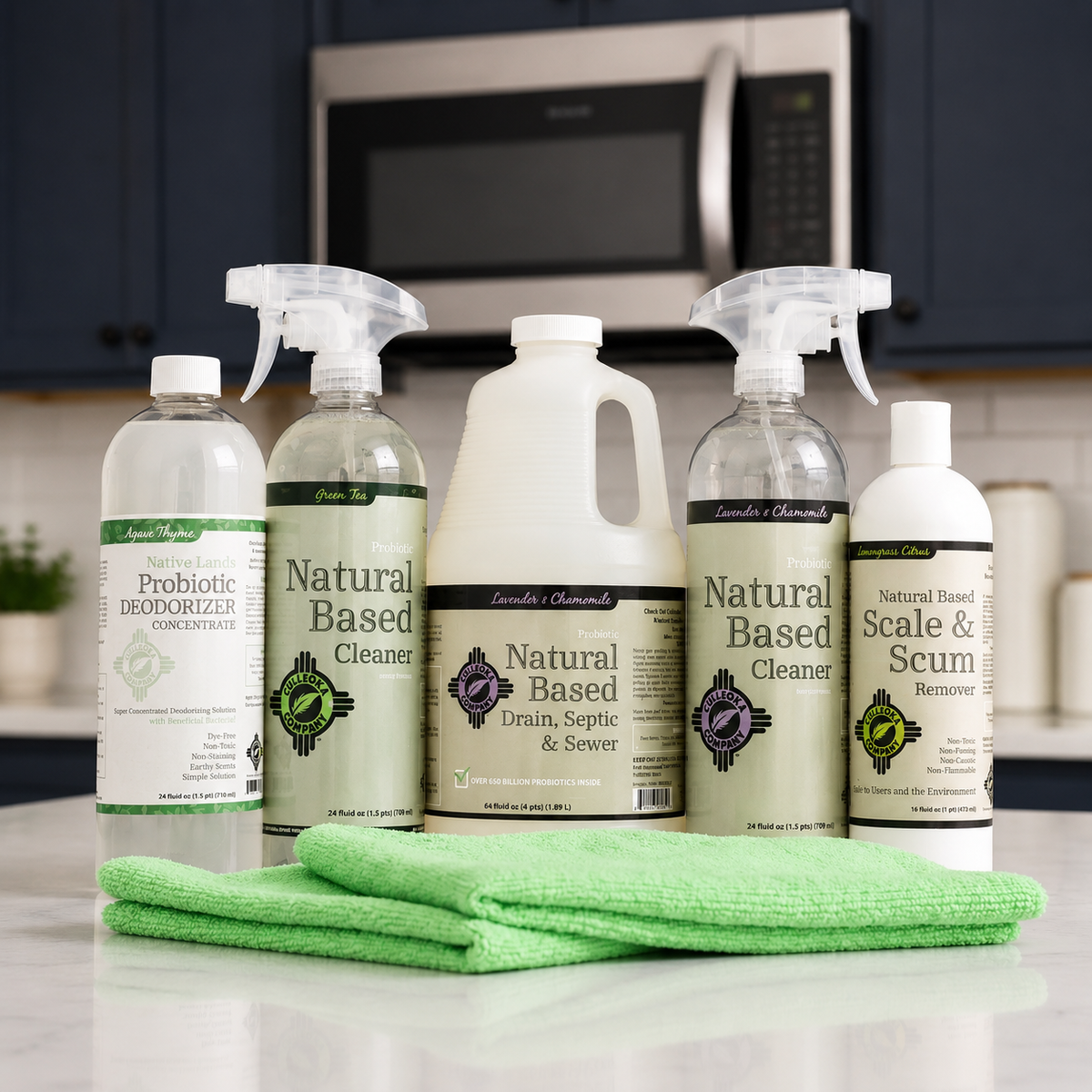
Our natural-based cleaning solutions pair perfectly with our reusable Green Microfiber Towels, giving homes and businesses a practical combination for everyday cleaning.
Whether you're wiping everyday surfaces, tackling dirt and buildup or simply trying to reduce your reliance on disposable paper towels, a reusable microfiber towel can be a simple addition to your cleaning routine.
Ready to make reusable microfiber part of your cleaning routine?
Explore Culleoka Green Microfiber Towels →
God Bless,
~Sonny Hobbs
Founder
Culleoka Company, LLC



Leave a comment
This site is protected by hCaptcha and the hCaptcha Privacy Policy and Terms of Service apply.